Transform Your Property: Crucial Insights On Residential Improvement Projects for Every Homeowner
Many householders want to find ways to improve their living spaces via professional remodeling. Such undertakings may vary from small kitchen fixes to complete home renovations. Knowing the choices accessible is vital for making informed decisions. Additionally, there are real-world factors like budgeting and selecting the professional contractor. As homeowners commence on this journey, they could face surprising obstacles. The secret to a great renovation depends on meticulous preparation and performance. Which actions should follow?
Grasping the Diverse Forms of Residential Renovation Work
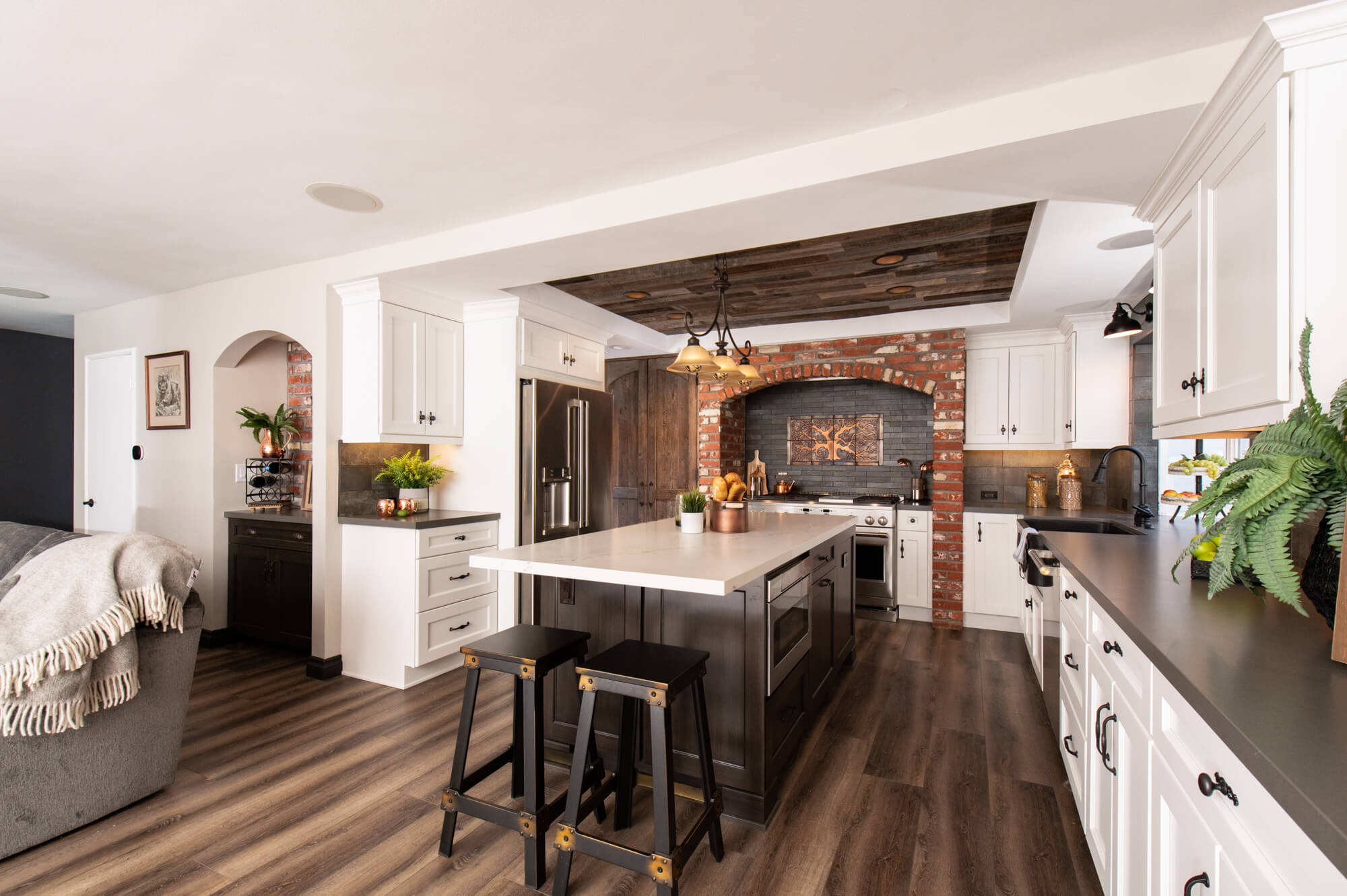
When property owners think about upgrading their homes, they frequently come across a variety of remodeling services tailored to different needs and preferences. These projects are generally grouped into a few distinct groups, each addressing specific aspects of residential enhancement. Kitchen remodeling focuses on modernizing fixtures, the cabinets, and the design to improve usability and visual appeal. Bathroom upgrades generally mean upgrading fixtures, tiling, and storage solutions for improved comfort and design.
Whole-home remodeling encompasses significant changes throughout the residence, frequently involving changing the structure to maximize the area and flow. External improvement work, conversely, focus on boosting curb appeal, handling the exterior walls, the roof, and the garden design. Additionally, specialized services like basement finishing and attic conversions allow homeowners to maximize neglected parts of the home. Every renovation category offers unique benefits, letting residents pick services that fit their desired outcome for their residence. Grasping these differences is vital for choosing wisely throughout the remodeling project.
Establishing a Practical Spending Plan for Your Remodeling Project
How can homeowners guarantee their remodeling projects remain financially viable? Creating a sensible budget is essential. It is advisable for homeowners to begin by determining their fiscal limits, including savings and potential financing options. This preliminary action helps establish the funds available for the renovation while maintaining other fiscal obligations.
Subsequently, property owners need to research the costs associated with their desired renovations, considering materials, labor, and unforeseen expenses that often arise. Developing a comprehensive priority list will assist in distinguishing essentials from desirable features, making it possible to adjust if funds become limited.
It is prudent to set aside an emergency fund, typically around 10-20% of the total budget, to handle unforeseen expenses. Regularly reviewing and adjusting the budget as the updating work progresses can also help maintain financial control. In the end, a carefully structured budget ensures the access resource project is feasible and makes the whole updating experience better for those living in the home.
Selecting the Appropriate Contractor for Your Requirements.
Choosing the appropriate professional has a major influence on the success of a remodeling project. Property owners ought to start by conducting thorough research, asking for referrals from friends, family, or internet reviews. It is essential to confirm documentation, like licenses, insurance, and bonds, to confirm legitimacy.
After suitable professionals have been found, they should seek detailed cost breakdowns and timeframes, facilitating well-grounded side-by-side evaluations. Interviews provide insight into communication styles and professionalism, that are key to a cooperative effort.
Additionally, reviewing past projects through portfolios or references shows the builder's standard of work. Homeowners should also inquire about warranties or guarantees, indicating the builder's certainty about their services.
In the end, choosing a professional who matches the homeowner's goals, finances, and schedule creates a better renovation journey, ensuring the work fulfills requirements and changes the space as intended.
Structuring and Laying Out Your Perfect Area.
As those renovating imagine their desired rooms, meticulous organization and deliberate design form vital parts of a triumphant renovation effort. The first step involves evaluating current needs and future aspirations, which permits a comprehensive grasp of the room's intended function. It is important for homeowners to weigh practicality, visual appeal, and personal style, making sure the design captures their individual tastes.
Next, creating a detailed budget is vital. This budget should accommodate materials, labor, and possible unexpected costs. Engaging with design professionals can give meaningful advice, assisting in improving the layout while adhering to budgetary constraints.
Incorporating elements like natural light, spacious designs, and eco-friendly supplies can elevate the living environment. Finally, seeing the project via mock-ups or 3D visualizations can help perfect concepts before starting the work. When handling the initial design phase deliberately, homeowners can build a comfortable, effective space tailored to their lifestyle.
Navigating Permits and Regulations in Home Remodeling
Familiarizing oneself with the red tape and requirements can be daunting for homeowners beginning a home improvement project. Each municipality has specific rules that govern what can be done during renovations, often influenced by zoning laws, building codes, and safety standards. It is essential for homeowners to understand local regulations to avoid costly fines or project delays.
Generally, securing permits is essential for major changes, such as modifying load-bearing elements or electrical work. This process usually necessitates providing designs for examination and might demand site visits at different phases.
Engaging a knowledgeable contractor can make this procedure easier, as they are usually well-versed in local regulations and can aid in filing necessary forms. Owners must also maintain clear communication with local building departments to ensure adherence throughout the project. By understanding and maneuvering through these requirements, homeowners can fulfill their improvement aims while ensuring safety and legality in their renovations.
Common Queries
How Much Time is Needed for a Typical Remodeling Job?

A standard home renovation generally requires three to six months on average, depending on the scope of work, size of the home, and availability of materials. More involved renovations might need extra time for completion.
What are typical errors to avoid while undertaking a remodel?
Typical pitfalls in the remodeling process are things like miscalculating costs, ignoring necessary permits, missing scheduled deadlines, failing to communicate effectively with your builders, and failing to think about long-term functionality. Understanding these dangers can lead to a more efficient, more successful remodeling experience.
How do I choose the appropriate materials for the job?
Selecting appropriate supplies means considering their resilience, aesthetics, and budget. Investigating available choices, consulting professionals, and factoring in how much care they require will significantly help in reaching educated conclusions, making sure the renovation matches your needs and preferences.
Can I live in my home throughout the construction phase?
Yes, one can live in their home during renovations, but it may lead to inconvenience. Detailed organization, maintaining open dialogue with your builders, and setting aside certain zones for essential activities will reduce the inconvenience throughout the project.
What warranties should I expect from the renovation company?
Homeowners should expect warranties covering workmanship, the products installed, and key building elements, which usually last between one to ten years. It is crucial to review the exact provisions in partnership with the renovation company to clearly grasp what is covered and what is excluded.